Buying at Grandview Lake is not just about finding the right house. You are also buying into a private lake environment with specific rules for shoreline use, docks, boats, and future improvements. If you want your purchase to match your lifestyle from day one, it helps to understand those details early. This roadmap will walk you through the key steps from offer to closing so you can move forward with more clarity and confidence. Let’s dive in.
Why Grandview Lake Requires Extra Diligence
Grandview Lake is a private 400-acre lake near Columbus, with managed water levels, more than 700 acres of watershed woods, and over 7 miles of hiking trails maintained by the association. It also supports a wide range of permitted activities, including boating, skiing, sailing, wake boarding, kayaking, swimming, and more under GLOA rules. That means the value of a property here often includes both the home and the lake access tied to ownership.
That also means rules matter in a very practical way. The Lake Safety Patrol actively enforces GLOA rules, and violations can lead to suspension of lake privileges for up to six months. For a luxury buyer, that makes due diligence about use rights just as important as due diligence about the structure itself.
Start With the Governing Documents
Before you get too far into a purchase, review the governing documents that apply to the property. At Grandview Lake, those materials can affect how you use the dock, what kind of boats you can keep, what changes you can make near the shoreline, and whether future work will need approval.
This step matters because a lakefront home is more than square footage and finishes. If your plans include a lift, shoreline work, a new dock layout, or updates to an existing boathouse, the rules may shape what is possible. A buyer who understands that early is in a much stronger position during negotiations and inspections.
Verify the Lot and Shoreline
Confirm what you are buying
At Grandview Lake, the shoreline and lot geometry deserve close review. GLOA structure rules use the natural shoreline as a reference point, identify the lake pool level as 730 feet above sea level, and direct owners to county GIS maps. The architectural instructions also require lot lines as they extend into the lake and recommend a licensed surveyor for the site plan.
In simple terms, do not rely on assumptions about frontage, dock placement, or where improvements sit in relation to lot lines. A strong waterfront due diligence package should help confirm the recorded plat, deed, shoreline location, and how the existing improvements line up with the legal boundaries.
Ask survey-focused questions early
This is one of the most important moments in the process. You want to know whether the deed, plat, survey, and GIS view tell the same story. If they do not, you may need answers before your offer becomes final.
Useful questions include:
- Is the shoreline and frontage confirmed by survey?
- Do the deed, plat, and GIS records align?
- Do any docks, lifts, floats, or shoreline features appear close to lot lines?
- Is there any sign that future changes could require updated approvals?
Review Docks, Boathouses, and Shoreline Improvements
Understand current structure limits
Grandview Lake has detailed rules for what can exist at the water's edge. Lakefront structures are limited to one contiguous structure, one enclosed story, 400 square feet in the lakefront area, and 15 feet in height. Overwater structures are limited to one story, 15 feet in height, and a 900-square-foot roof area used to store up to two motorized boats.
Docks, lifts, and floats also have setback and length rules. In many cases, there is a general 5-foot lot-line separation unless another rule applies. Depending on the shoreline distance or cove width, additional limits may also affect layout and usability.
Check whether older improvements are grandfathered
Some existing improvements may be exempt from newer rules if they were approved before December 18, 2014. But that protection is not unlimited. Changes to size, height, footprint, roof type or pitch, openings, or internal structure can bring a project back under current review.
That is why you should not assume an older dock or boathouse can simply be rebuilt or enlarged in the same form. If you are buying with renovation plans in mind, this question should come up well before closing.
Make Sure Your Boats Fit the Rules
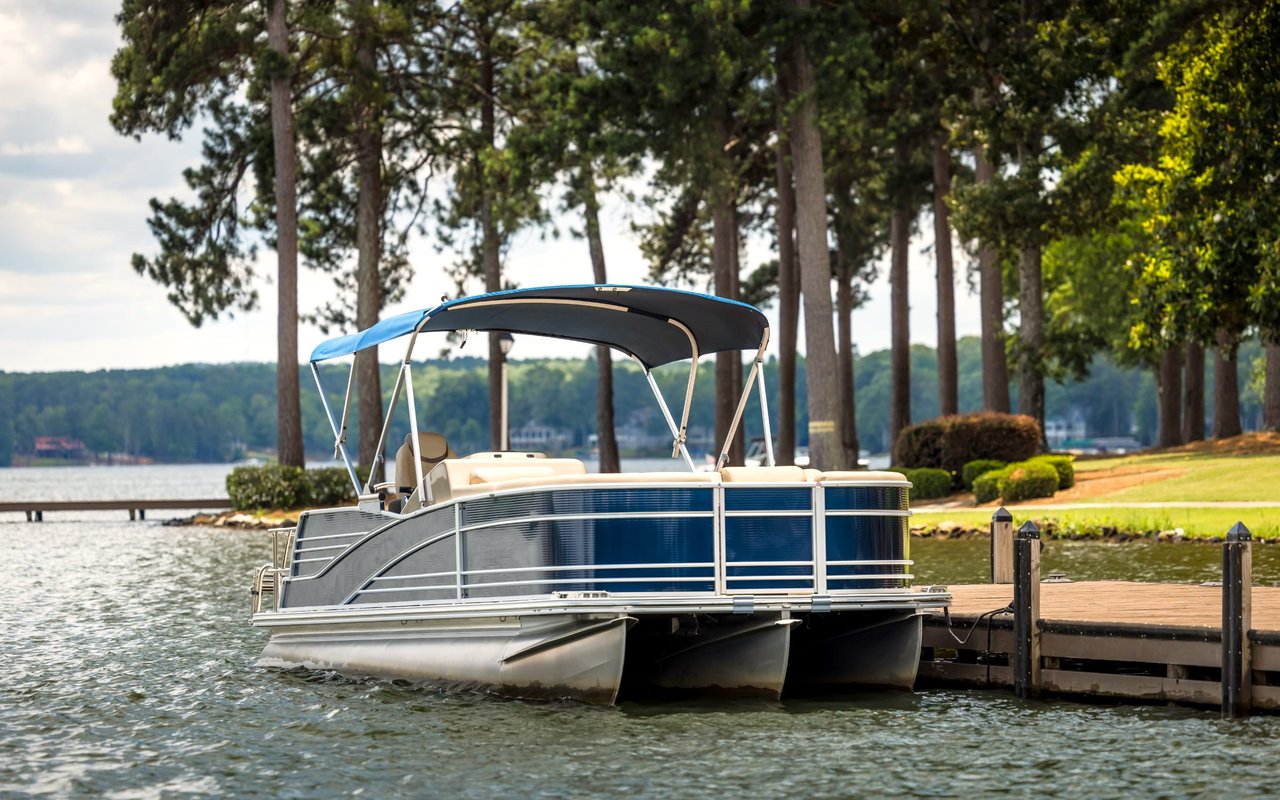
A luxury lake purchase should fit the way you actually plan to use the property. Grandview rules cap each lot at four motorized boats. They also prohibit cabin boats, houseboats, airboats, and wake-enhancing ballast systems.
Boat operation rules also shape day-to-day use. The lake uses counter-clockwise traffic flow, sets a daytime maximum speed of 35 mph, and requires idle no-wake operation from sunset to sunrise. Towing rules include spotter requirements and time windows during heavier traffic periods, so it is smart to compare your current boating habits with the rule set before you close.
Build a Smarter Due Diligence Period
Go beyond the standard inspection
A standard home inspection is still important, but it should not be the only box you check on a Grandview purchase. Waterfront diligence may also include verifying shoreline conditions, dock or lift location, drainage issues, septic-related needs, and any site-specific concerns tied to future construction.
GLOA application materials call for professional construction advice and other applicable inspections. Bartholomew County's permit checklist also references items such as septic release and driveway approvals when needed. For you as a buyer, the goal is simple: understand both the home and the site before contingencies expire.
Match diligence to your future plans
If you know you want to remodel, rebuild, or add shoreline features, tailor your due diligence period around those goals. It is much better to confirm the likely approval path early than to discover after closing that timing, design, or placement limits are different than expected.
This is especially important for rare waterfront lots and high-value homes, where the lake-facing improvements can be a major part of the property's appeal and long-term value. A careful review now can help you avoid surprises later.
Start GLOA Approval Early for Future Work
If you plan to make changes after purchase, start with GLOA. The association requires owners to seek a building permit before starting work on homes, docks, boathouses, boat lifts, sheds, garages, fencing, and similar improvements. Plans must be submitted to the GLOA office in duplicate, review can take up to 30 days, and construction cannot begin until the permit is issued and displayed.
This timing matters in a luxury transaction because many buyers want to improve the property soon after closing. If your ideal move-in plan depends on a new dock setup, boathouse adjustments, or home additions, early planning can protect your timeline.
Understand the Bartholomew County Permit Path
After GLOA approval, the county permit process comes into play when required. Bartholomew County states that a permit is required before beginning construction, alteration, or repair of any building or structure over $300. The county also notes that no inspections are done before the permit is issued.
The residential checklist may call for:
- A site plan
- Construction drawings
- Completion or compliance certificates
- Subcontractor sign-offs
- Septic evaluation if applicable
- Driveway approval if applicable
- Architectural approval if required by the subdivision
GLOA instructions also state that Bartholomew County requires a GLOA approval letter before issuing a county permit. For buyers planning work, that sequence is important.
Confirm Whether State Review Is Needed
Some shoreline or lakebed work may require additional review. Indiana DNR guidance requires prior approval for certain projects on public freshwater lakes, including some work below the legal or normal water level such as seawalls, dredging, boat ramps, and boat-well construction, along with some channel and floodway work.
Because Grandview Lake is described by the association as a private lake, a practical buyer workflow is to begin with GLOA approval and then confirm with county or DNR staff whether your specific project triggers any added review. If your plans involve more than cosmetic work at the waterline, this is worth checking early.
Prepare for Closing With Fewer Surprises
Closing is the point where the legal, financial, and property details all come together. Buyers typically receive the Closing Disclosure three business days before closing, and common closing costs often include title insurance, appraisal and credit report fees, government taxes, and prepaid expenses. Research cited in the report notes that closing costs often run about 2% to 5% of the purchase price, excluding the down payment.
For a Grandview Lake purchase, insurance review also deserves extra attention. Before closing, it is wise to ask whether the policy accounts for flood or other water-related risks if relevant to the property. You should also budget for ongoing ownership costs such as association fees, property taxes, and homeowners insurance.
Your Grandview Buyer Checklist
If you want a simple framework, focus on four areas before closing:
- Verify the lot with deed, plat, GIS, and survey support
- Verify the water access and location of docks, lifts, and shoreline features
- Verify the rules for boats, structures, and future improvements
- Verify the financing and closing costs so your numbers match the full ownership picture
At Grandview Lake, those steps are not separate from the purchase. They are part of what you are actually buying.
If you want guidance that is tailored to a specific property, a local, waterfront-focused approach can make the process much smoother. For private tours, lot-level questions, or a concierge buying strategy at Grandview Lake, connect with Christopher Braun.
FAQs
What should you review before making an offer at Grandview Lake?
- You should review the governing documents, shoreline details, existing dock or boathouse setup, boat rules, and any likely approval needs for future improvements.
Why is a survey important for a Grandview Lake home purchase?
- A survey can help confirm shoreline frontage, lot lines extending into the lake, and whether the deed, plat, GIS view, and existing improvements align.
Can you change an older dock or boathouse at Grandview Lake?
- Possibly, but some older improvements may be grandfathered only in their current form, and certain changes can trigger review under current GLOA rules.
What boat rules should buyers know at Grandview Lake?
- Buyers should know that each lot is capped at four motorized boats, some boat types and wake-enhancing ballast systems are prohibited, and operating rules cover speed, traffic flow, and towing.
When do you need GLOA approval for work at Grandview Lake?
- GLOA approval is required before starting work on homes and many exterior improvements, including docks, boathouses, boat lifts, sheds, garages, and fencing.
What permits may be needed in Bartholomew County after buying a Grandview Lake property?
- Depending on the project, you may need a county permit with items such as a site plan, construction drawings, septic evaluation, driveway approval, and subdivision architectural approval when required.