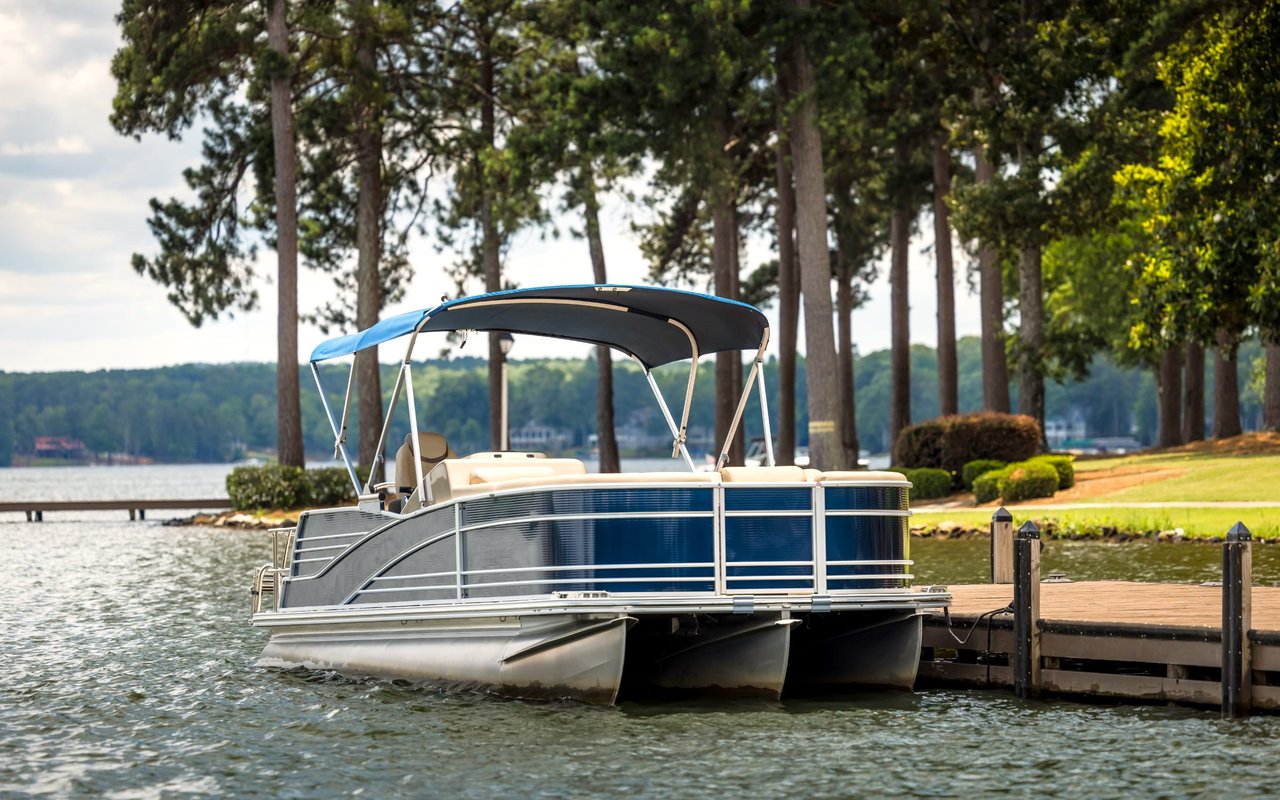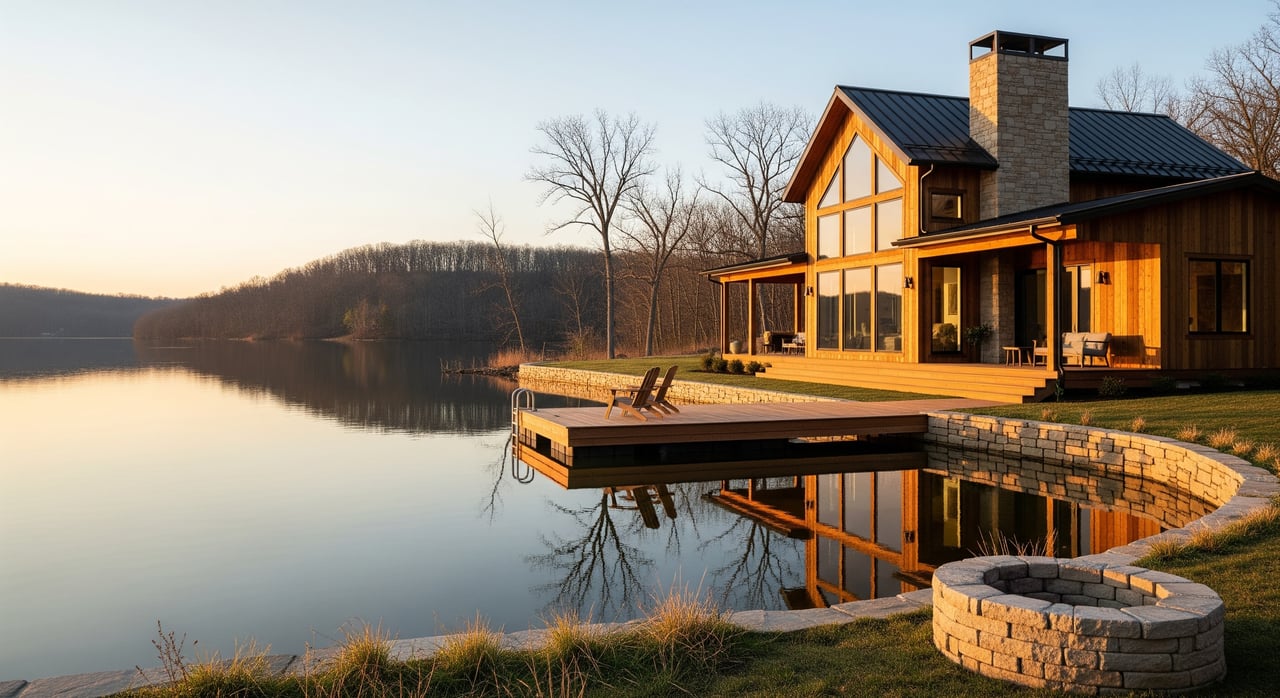
Thinking about renting out your Sweetwater or Cordry Lake place when you are not using it? You are not alone. Many owners want weekend fun for the family and steady income the rest of the year. The key is getting your numbers right from the start. In this guide, you will learn what to verify with the HOA and Brown County, how the local season affects bookings, what rate bands to use, and how a simple pro forma turns those inputs into ROI you can trust. Let’s dive in.
What drives demand at Sweetwater and Cordry
Sweetwater and Cordry Lakes sit in a classic drive-to leisure market. You see strong summer demand from boating, swimming, and fishing. You also benefit from Brown County attractions, including nearby Nashville and Brown County State Park. Fall color brings a second wave of weekend travel that keeps bookings coming into October.
Most trips are short, often focused on weekends. Larger cabins with docks and 3 to 4 bedrooms tend to attract multigenerational groups. Proximity to Indianapolis supports the weekend escape pattern, which is helpful if you tune your pricing for Friday and Saturday.
Seasonality and booking patterns
- Peak season: Memorial Day through Labor Day drives the highest occupancy and average daily rate. Summer weekends book first.
- Shoulder seasons: April to May and late September to October add steady demand, especially during fall leaf season.
- Off season: November through March is quieter, with more weekday gaps. Holidays like Thanksgiving and New Year can still perform.
- Booking behavior: Weekend bookings are the strongest. Midweek softens outside peak months, so adjust pricing accordingly.
Rules and permits to verify first
Short-term rental rules come from two places. Your HOA or Property Owners Association sets community standards. Brown County sets local government requirements. You must satisfy both.
HOA and guest policies
- Confirm whether short-term rentals are allowed and if a minimum stay applies.
- Check caps on rentals, any owner-occupancy requirements, parking and occupancy limits, dock and watercraft use, and guest conduct rules.
- Ask about guest registration, fees, and fine policies.
Why it matters: These items affect capacity, pricing, and your operating plan. For example, a parking or occupancy cap can reduce your achievable rate and group size.
County permits and safety
- Ask Brown County planning and zoning whether a short-term rental permit, business license, or zoning approval is required.
- Verify if inspections are needed, including egress, smoke and carbon monoxide alarms, and fire extinguishers.
- Confirm parking guidelines and any septic or wastewater rules tied to occupancy.
Taxes and registration
- Short stays typically trigger state sales tax and any county innkeeper or transient lodging taxes.
- Confirm whether your platform collects and remits taxes for you or if you must register and remit.
- Log rental income on your state and federal returns. Ask your tax advisor about deductions and depreciation.
Septic, well, and lakeshore items
- Many lake homes use private wells and septic systems. Verify capacity and any inspection requirements for rentals.
- Review rules for docks, boat storage, and watercraft usage. These can shape your listing and guest expectations.
Insurance and liability
- Standard homeowners policies may exclude rental activity. Ask for a short-term rental endorsement or a commercial liability policy.
- Consider umbrella coverage that reflects waterfront risk. Check flood coverage needs for your specific lot.
Enforcement and penalties
- Understand fines, suspension of HOA privileges, and county enforcement procedures for noncompliance. Ask for the current policy in writing.
Pricing strategy that fits the lakes
Plan rate bands by season, then layer weekends and holidays.
Rate bands by season
- Peak, May through September weekends and holiday weeks: set your top ADR.
- Shoulder, April and October plus in-season weekdays: 70 to 85 percent of your peak ADR.
- Off season, November through March excluding holidays: 40 to 60 percent of peak ADR.
- Weekends: add a 20 to 40 percent premium versus midweek in leisure periods.
Smart fees and minimums
- Cleaning fee per stay should cover cleaners and supplies.
- Consider pet fees, extra-guest fees within occupancy limits, and late check-out fees.
- Use 2 to 3 night minimums on weekends. For peak holiday weeks, longer minimum stays can improve turnover and revenue.
Distribution and tools
- List on more than one channel to diversify demand. Many owners use Airbnb and VRBO, and some add a direct booking site or a local manager.
- Dynamic pricing tools can help adjust rates based on local demand. They are most effective when your base assumptions match local patterns.
Operational constraints
- HOA occupancy or parking limits may reduce your ability to host large groups.
- Septic and water systems can cap guest count, which impacts achievable ADR.
- Professional management improves convenience and can raise occupancy, but fees of 15 to 30 percent reduce net cash flow. Self-management saves fees but increases time and service expectations.
Example pro forma for Sweetwater and Cordry
Use this illustration to see how the numbers work together. Replace each input with verified values for your specific property.
Assumptions, example only:
- Purchase price: 350,000 dollars
- Seasons and days: Peak 153 days, Shoulder 61 days, Off 151 days
- ADR: Peak 300 dollars, Shoulder 220 dollars, Off 150 dollars
- Occupancy: Peak 65 percent, Shoulder 45 percent, Off 20 percent
- Average stay: 3 nights
- Management fee: 20 percent of rental revenue
- Platform host fee: 3 percent
- Cleaning fee charged: 150 dollars per stay, cleaning cost paid: 75 dollars per stay
- Annual costs: Utilities 3,000 dollars, Insurance 1,200 dollars, Property taxes 2,500 dollars, HOA dues 600 dollars, Repairs and reserves 5 percent of rental revenue, Licensing and permits 300 dollars, Accounting and other 600 dollars
Results, rounded:
- Booked nights: Peak 99, Shoulder 27, Off 30, Total 156 nights
- Nightly revenue: 40,140 dollars
- Stays per year: about 52
- Cleaning revenue collected: 7,800 dollars, cleaning expense: 3,900 dollars
Operating expenses, illustrative:
- Management: 8,028 dollars
- Platform fees: 1,204 dollars
- Cleaning expense: 3,900 dollars
- Utilities: 3,000 dollars, Insurance: 1,200 dollars, Property taxes: 2,500 dollars, HOA dues: 600 dollars
- Repairs and reserves: 2,007 dollars, Accounting and permits and other: 900 dollars
- Total operating expenses: about 23,339 dollars
Net Operating Income before taxes and debt service:
- NOI: 16,801 dollars
- Cap rate on 350,000 dollars: about 4.8 percent
If financed, example only:
- 20 percent down, 30-year loan at 6 percent on 280,000 dollars, annual debt service about 20,145 dollars
- Cash flow after debt service: about negative 3,344 dollars
- Cash-on-cash on 70,000 dollars down: about negative 4.8 percent
What to take away: A lake STR here can work, but results hinge on occupancy, ADR, and management choices. Professional management helps bookings but reduces net. Self-managing lowers fees but adds time and risk.
Sensitivity that moves your NOI
- A 10 percent rise in ADR adds about 4,014 dollars to revenue and mostly flows to NOI.
- Reducing the management fee or self-managing can improve cash flow, but watch service quality and guest reviews.
- Plan for major capital items like septic, dock, and roof. A capital reserve protects your cash flow.
Operations checklist to protect ROI
Use these steps before you buy or list.
Immediate verifications
- Get HOA CC&Rs and rental policies in writing, including guest rules and fees.
- Confirm Brown County STR allowance and any required permits or registrations.
- Ask the county health department for septic and well records, including capacity requirements.
- Confirm the current property tax bill and HOA dues, including any special assessments.
- Price STR insurance with an agent who understands lake properties and liability.
- Audit active local listings to gauge rates, minimum stays, and guest expectations.
Day-to-day operations
- Align house rules with HOA limits on parking, noise, dock use, and occupancy.
- Set up guest screening and a damage deposit or security hold process.
- Build a reliable cleaning and turnover schedule and have backups.
- Budget for seasonal maintenance, such as dock work and snow removal.
- Verify boat and dock insurance and add clear safety signage.
- Provide emergency contacts and simple instructions for septic and well systems.
Data to gather before you underwrite
- Local occupancy and ADR from STR analytics providers.
- Comparable rates and minimum stays from nearby lake listings.
- Local lodging tax rules and who remits on each platform.
- Any historical rental data available for your property type.
How to use this guide
Start with rules, then seasonality, then pricing. Build your pro forma with conservative occupancy, realistic utility and insurance costs, and a capital reserve. Run three cases, conservative, base, and optimistic, so you can see how rate and occupancy shifts change your returns. If you plan to rent only when you are not using the home, be sure your personal calendar assumptions match peak demand windows.
Partner with a local lake specialist
You deserve a clear plan and a smooth process. If you want help aligning HOA rules, pricing, and a right-sized pro forma for Cordry Sweetwater Lakes, connect with Christopher Braun. You will get concierge-level guidance, local context across the Brown County lake market, and a practical path to decisions with confidence.
FAQs
What months are best for Sweetwater and Cordry STRs?
- Peak demand runs from late spring through early fall, especially summer weekends, with a second boost in late September and October during fall color season.
What permits or licenses might I need in Brown County for a short-term rental?
- You should verify with Brown County planning and zoning whether STRs are allowed and if a rental registration, business license, zoning permit, or inspection is required.
How should I price weekends versus weekdays at Sweetwater and Cordry?
- In leisure markets like these lakes, weekends often command a 20 to 40 percent premium over midweek, especially in peak and shoulder seasons.
What occupancy should I use when modeling returns for a lakefront 3 to 4 bedroom?
- As an example only, some owners model about 65 percent occupancy in peak months, 45 percent in shoulder months, and 20 percent in the off season, then adjust for property features and management.
What insurance do I need for a waterfront short-term rental?
- Many homeowners policies exclude STR activity, so ask for a short-term rental endorsement or commercial liability coverage and consider an umbrella policy appropriate for waterfront risk.